
Knowing how to buy a short domain name requires understanding three distinct phases: sourcing available inventory through marketplaces or direct outreach, verifying legal and technical ownership status, and executing a secure escrow-based transfer. Short domains – typically under six characters – carry premium pricing because supply is fixed while demand from branding-conscious buyers keeps rising. A structured acquisition process protects buyers from fraud, inflated pricing, and failed transfers.
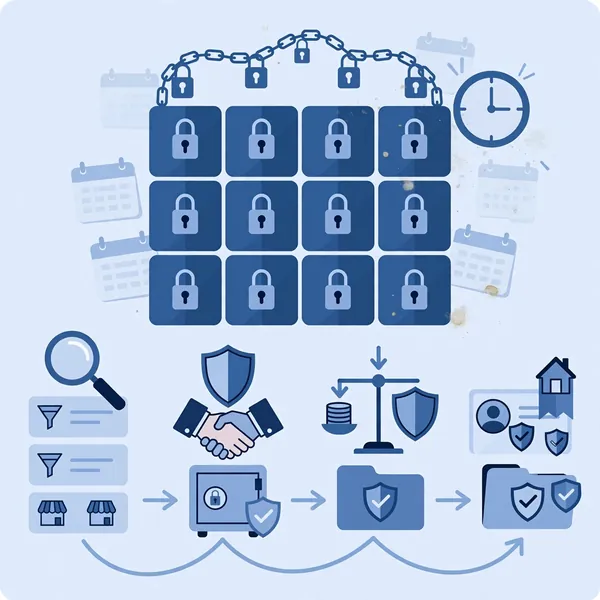
Short, brandable domain names have become one of the scarcest digital assets in existence. Every combination under four or five characters was registered decades ago, which means acquiring one today almost always means buying it from an existing owner rather than registering it fresh. That single fact changes everything about the purchase process.
If you’re wondering how to buy a short domain name without overpaying or getting stuck in a stalled transfer, this guide walks through the entire journey, starting with sourcing options like short domain names for sale and ending with a completed ownership transfer into your own registrar account.
What Counts as a “Short” Domain Name?
Before searching, it helps to know exactly what you’re shopping for. In the domain investing world, “short” is a specific, measurable category rather than a vague marketing term.
- Ultra-short domains: one to three characters (e.g., ai.com, x.com) – extremely rare and often valued in the millions.
- LLL domains: three-letter combinations across any extension, prized for memorability and typing speed.
- Short brandables: four to six characters that form a pronounceable, brandable word or acronym.
- Premium short numerics: short numeric strings, popular in specific regional and industry markets.
For a deeper breakdown of exactly what qualifies as a short domain name and why the definition matters for valuation, it’s worth reviewing before you start negotiating.

Why Short Domains Command Premium Prices
Scarcity is the core driver, but it isn’t the only one. Short domains also:
- Reduce typing errors and improve recall, which directly supports brand growth.
- Signal established credibility, since short domains are historically harder to acquire.
- Perform better across voice search and verbal brand mentions, where longer domains are harder to communicate clearly.
This demand has intensified further as new industries compete for the same limited inventory. Our analysis of why short domain names for AI companies now sell for six to seven figures illustrates just how aggressively pricing has moved in the past few years.
How to Buy a Short Domain Name: The Complete Step-by-Step Process
Buying a short domain is fundamentally different from registering a new one. It resembles a real estate transaction more than a checkout flow. Here is the full process, step by step.

Step 1: Define Your Domain Criteria
Before searching, decide on:
- Preferred extension (.com remains the gold standard for short domains).
- Maximum character length.
- Whether the domain needs to be pronounceable, an acronym, or purely brandable.
- Your budget ceiling, including buffer for negotiation.
Step 2: Search Marketplaces and Aftermarket Listings
Most short domains are not sitting idle waiting to be registered; they are already owned and often listed on aftermarket platforms. Start with dedicated marketplaces that specialize in premium and short domain names, since general registrars rarely surface true short-domain inventory.
Step 3: Verify Ownership and Domain History
Once you find a candidate domain, confirm:
- Current WHOIS registrant details (where privacy settings allow).
- Domain age and prior usage history, to rule out spam or penalty history.
- Whether the domain is genuinely for sale or simply parked.
Step 4: Request a Valuation or Quote
Reputable sellers and marketplaces will provide a asking price or facilitate a quote request. If the listing shows no price, submitting a serious inquiry is the standard next step.
Step 5: Negotiate Terms
Negotiation on short domains typically covers:
- Final purchase price.
- Payment structure (lump sum versus installment, for higher-value domains).
- Timeline for transfer completion.
Step 6: Use a Secure Escrow Service
Never wire funds directly to a seller for a five- or six-figure domain purchase. A licensed escrow service, such as Escrow.com, holds funds until the domain is confirmed transferred, protecting both parties from fraud.
Step 7: Execute the Registrar Transfer
The seller initiates the transfer at the registrar level, providing an authorization code (EPP code) if the transfer moves between registrars. Buyers should follow ICANN’s official domain transfer policy to understand standard timelines and buyer protections during this stage.
Step 8: Confirm Ownership and Update DNS
Once the domain lands in your registrar account:
- Update WHOIS registrant information to your details.
- Point DNS records to your hosting or website builder.
- Enable registrar lock and two-factor authentication immediately to prevent unauthorized transfers out.
Where Serious Buyers Source Short Domains
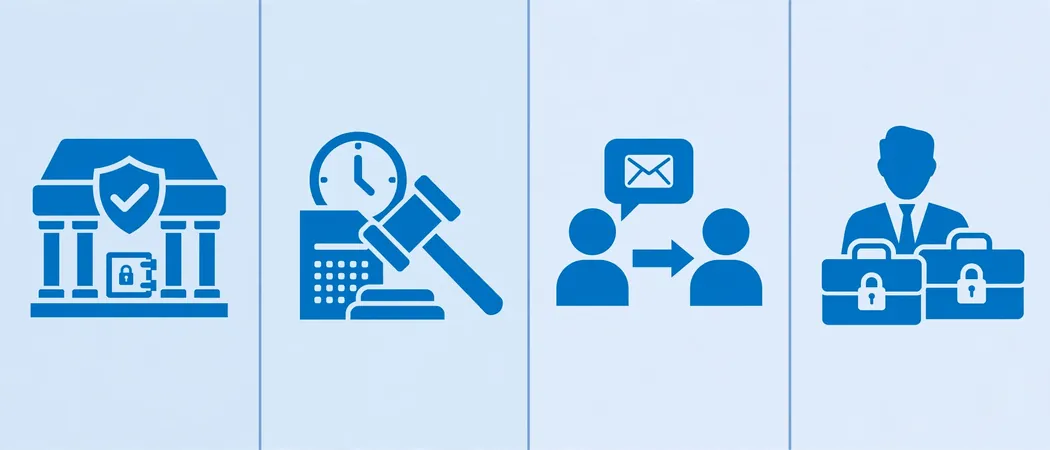
Short domain inventory is concentrated across a small number of channels, and knowing where to look saves significant time.
- Specialized marketplaces focused exclusively on premium and short domains, which vet listings and often assist with escrow.
- Domain auctions, where expired or investor-held short domains occasionally surface.
- Direct outreach, contacting a current owner even if the domain isn’t publicly listed for sale.
- Broker-assisted deals, useful for six- and seven-figure acquisitions where confidentiality matters.
Buyers approaching this as a long-term strategy rather than a one-time purchase should also study short domain name investing as a serious buyer’s guide, which covers portfolio-level acquisition thinking.
Marketplace vs Auction vs Direct Outreach: Which Route Fits Your Purchase?
| Acquisition Route | Typical Price Transparency | Speed to Close | Best For |
|---|---|---|---|
| Specialized marketplace | High – listed or quoted pricing | Fast (days to weeks) | First-time buyers, brandable short domains |
| Domain auction | Medium – bidding-driven pricing | Fast (fixed auction window) | Buyers comfortable with competitive bidding |
| Direct outreach | Low – negotiated privately | Slow (weeks to months) | Ultra-premium or unlisted domains |
| Broker-assisted | Medium-High – broker sets structure | Medium | High-value, high-confidentiality deals |
Common Mistakes Buyers Make When Purchasing Short Domains
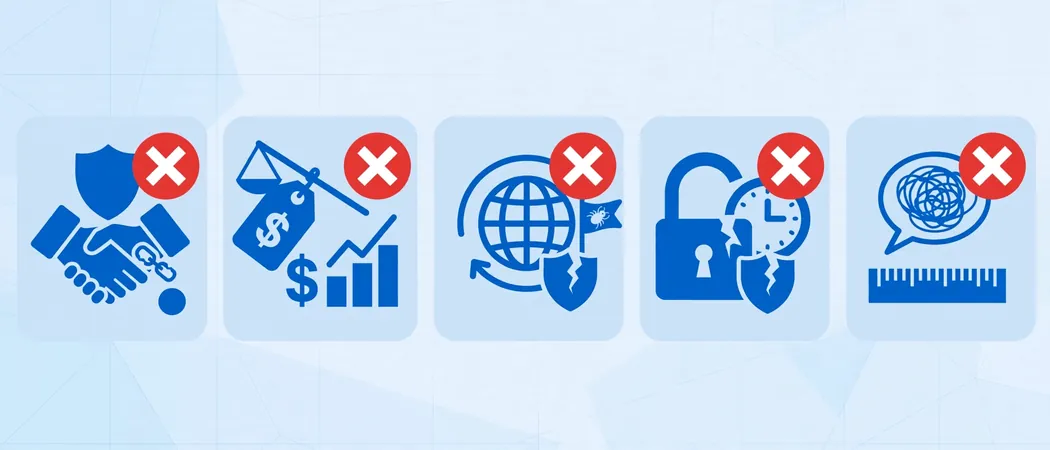
Skipping escrow to save fees.
The small percentage escrow costs is negligible compared to the risk of losing funds in an unprotected direct transfer.
Underestimating true market value.
Buyers who don’t research comparable sales often either overpay or lose the deal by lowballing sellers; reviewing how much a short domain name really costs prevents both mistakes.
Ignoring domain history.
A short domain with a spam or penalty history can hurt SEO and deliverability from day one.
Delaying registrar lock after transfer.
Newly transferred domains are common targets for hijacking attempts if security settings aren’t enabled immediately.
Focusing only on length, not brandability.
A short domain that’s hard to pronounce or spell aloud loses much of its practical branding advantage; this is explored further in how short domain name branding shapes trust, recall, and growth.
Expert Tips for a Smooth Short Domain Acquisition
Get a written valuation before negotiating.
Even an informal third-party estimate strengthens your negotiating position.
Ask for transfer timeline commitments upfront.
Serious sellers will agree to a specific window; vague timelines are a red flag.
Budget for the total cost, not just the sale price.
Escrow fees, broker commissions, and renewal costs all factor into the real acquisition cost.
Keep communication in writing.
Email or platform messaging creates a paper trail if a dispute arises later.
Consider a three-letter alternative if your ideal domain is unavailable.
Our complete guide to LLL three-letter dot-com domains covers strong alternatives that still deliver a short, brandable footprint.
Typical Ownership Transfer Timeline
| Stage | Typical Duration | Key Action |
|---|---|---|
| Valuation and negotiation | 1-7 days | Agree on final price and terms |
| Escrow funding | 1-2 business days | Buyer deposits funds with escrow provider |
| Seller initiates transfer | 1-3 business days | EPP/auth code issued or push transfer started |
| Registrar transfer completion | 5-7 days (inter-registrar) | Buyer accepts transfer in new registrar account |
| Escrow fund release | Same day as confirmed transfer | Seller receives payment |
| DNS and WHOIS update | 1-2 days | Buyer updates records and enables security settings |
FAQ
How do I know if a short domain name is genuinely for sale?
Check the marketplace listing status, reach out through the provided contact channel, or look up WHOIS registrant contact details if privacy protection isn’t enabled; an unresponsive owner over several weeks usually indicates the domain isn’t actively for sale.
Is it safe to buy a short domain name without an escrow service?
For any meaningful purchase amount, escrow is strongly recommended; it protects both buyer and seller by holding funds until the domain transfer is verified as complete.
How long does a short domain name transfer usually take?
An inter-registrar transfer typically takes five to seven days once initiated, though push transfers within the same registrar can complete within hours.
Why are short domain names so expensive compared to new registrations?
Nearly all short combinations, especially under .com, were registered years ago, so buyers are purchasing existing ownership rather than registering unclaimed inventory, which drives aftermarket pricing well above standard registration fees.
Can I negotiate the price of a listed short domain name?
Yes – most listed prices, especially on marketplaces, are starting points for negotiation rather than fixed prices, particularly for domains that have been listed for an extended period.
Conclusion: Buying a Short Domain the Right Way
Learning how to buy a short domain name is less about finding available inventory and more about executing a disciplined acquisition process: sourcing the right listing, verifying its history, negotiating fairly, and closing through escrow-protected registrar transfer. Buyers who skip these steps risk both financial loss and long transfer delays; buyers who follow them end up with a secure, brand-ready asset.
If you’re ready to move from research to acquisition, explore current short domain names for sale and start a conversation with a listing that fits your brand and budget today.